How Formula 1 Became a Global Pop-Culture Phenomenon
Formula 1 has evolved beyond motorsport, becoming a global force in fashion, celebrity culture, social media, football and entertainment. Discover how F1 built a new generation of fans and transformed into one of the world’s biggest sports brands.
How Formula 1 Became a Global Pop-Culture Phenomenon
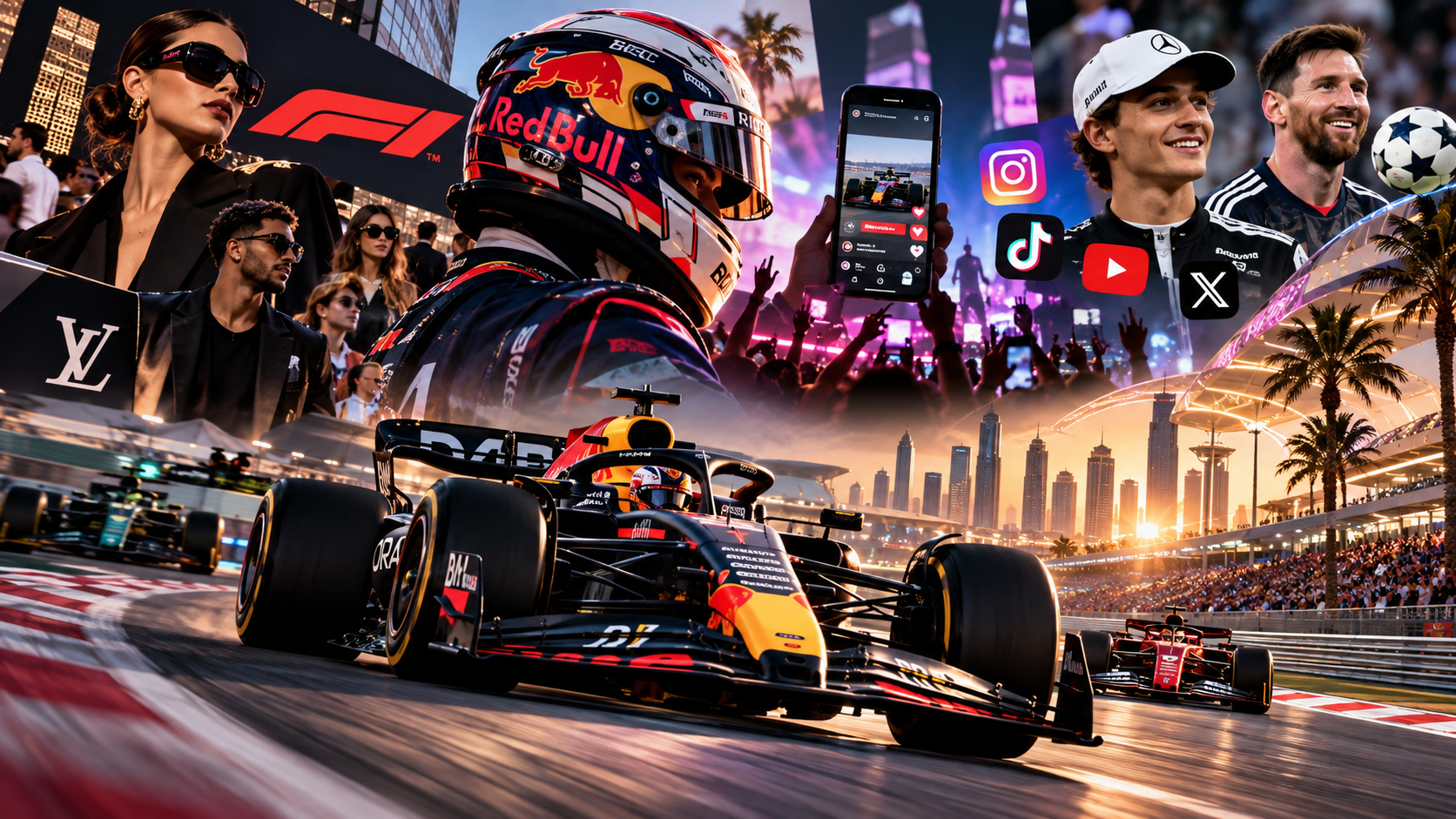
Formula 1 is no longer just a championship about racing cars around the world's fastest circuits. Over the past several years, the sport has expanded into fashion, entertainment, social media, celebrity culture and even football, attracting millions of people who may never have considered themselves traditional motorsport fans. What happens on the track still matters, but the culture surrounding Formula 1 has become almost as important to its global identity.
This transformation has changed the way people discover, follow and experience Formula 1. Drivers have become global personalities, Grand Prix weekends have become major entertainment events, and social media has turned individual moments from the paddock into worldwide conversations. Formula 1 has effectively become a sports and entertainment brand rather than simply a racing series.
Formula 1's Transformation Beyond the Racetrack
For much of its history, Formula 1 was primarily associated with engineering, speed, technical innovation and elite competition. Its audience was largely made up of dedicated motorsport enthusiasts who followed qualifying sessions, race strategies, car development and championship standings.
That audience still exists, but Formula 1 has expanded considerably beyond it. The modern F1 fan might discover the sport through a short video on social media, a driver's appearance at a fashion event, a celebrity attending a Grand Prix or a documentary series rather than through a traditional television broadcast.
This broader exposure has changed the perception of Formula 1. The sport now exists at the intersection of competition and entertainment, giving audiences multiple reasons to follow it even when they are not closely familiar with the technical details of racing.
How Social Media Changed the F1 Fan Experience
Social media has been one of the biggest forces behind Formula 1's cultural expansion. Platforms such as Instagram, TikTok, YouTube and X allow teams, drivers and the sport itself to communicate with fans throughout the entire week.
In the past, the majority of a fan's attention might have been concentrated around qualifying and race day. Today, Formula 1 generates a continuous stream of content. Drivers share behind-the-scenes moments, teams publish technical explanations, fans create memes and creators produce race analysis within minutes of major events.
This constant flow of content makes Formula 1 feel less like a sport that happens every other weekend and more like an ongoing entertainment story. A dramatic radio message, controversial incident or unexpected result can become a global discussion long before the next race begins.
Social media has also made drivers more accessible. Fans can see their personalities away from the car, follow their interests and interact with content that feels considerably more personal than a traditional post-race interview.
The Impact of Streaming and Sports Documentaries
Another major factor in Formula 1's expansion has been the growth of behind-the-scenes storytelling. Traditional race coverage focuses primarily on what happens during a Grand Prix, but documentary-style content can show viewers what happens inside the teams and inside the paddock.
This approach introduces audiences to the people behind the helmets. Team principals, engineers, mechanics and drivers become characters in an ongoing story involving pressure, competition, setbacks and ambition.
For newcomers, this can make an unfamiliar sport much easier to understand. A viewer may not initially understand tire strategy or aerodynamic regulations, but they can immediately understand rivalry, pressure and the desire to win.
Once viewers become emotionally invested in the people and teams involved, they often become more interested in the racing itself. Storytelling therefore acts as a gateway into the technical world of Formula 1.
Formula 1 and the World of Fashion
Formula 1's influence has also moved into fashion. Racing has always had a distinctive visual identity, from colorful team uniforms and helmets to historic racing jackets and automotive-inspired designs. Today, those elements are increasingly visible outside the circuit.
Drivers regularly appear at fashion events and collaborate with major brands, while racing-inspired clothing has become increasingly recognizable among younger audiences. Team merchandise has also evolved beyond traditional sportswear, with some collections designed as lifestyle products rather than simple fan merchandise.
The connection works both ways. Formula 1 gains exposure among fashion audiences, while fashion brands gain access to a global sporting platform with a strong visual identity and an international fan base.
This relationship demonstrates how modern sports are increasingly becoming part of lifestyle culture. Fans are not only interested in watching their favorite athletes compete; they can also express their connection to a sport through clothing, design and personal style.
Why Celebrities Are Drawn to Formula 1
Walk through the paddock at a major Formula 1 event and the guest list can look very different from that of a traditional sporting competition. Actors, musicians, athletes, influencers, entrepreneurs and other public figures regularly attend Grand Prix weekends.
Celebrity appearances create an additional layer of attention around the sport. A famous guest attending a race can introduce Formula 1 to millions of people who may not normally follow motorsport.
The Grand Prix itself has also become an attractive social event. High-profile races combine sport with hospitality, music, fashion and entertainment, creating an experience that extends beyond the racing circuit.
This does not replace the competitive side of Formula 1. Instead, it creates another entry point for people who may initially be interested in the atmosphere and eventually become interested in the sport.
The Unexpected Connection Between F1 and Football
Football and Formula 1 may appear to have little in common, but their audiences increasingly overlap. Football players and clubs have become visible around Formula 1 events, while F1 drivers and teams regularly interact with the football world.
Both sports have enormous international audiences, recognizable personalities and strong club or team identities. Their commercial ecosystems also attract many of the same global brands.
Social media has made this crossover even easier. A football fan can encounter an F1 driver through a football-related post, while an F1 fan can discover a football player through content produced around a Grand Prix.
These connections show how modern sports no longer exist in completely separate communities. Fans increasingly move between different sports, personalities and entertainment platforms.
The Rise of the F1 Driver as a Global Personality
Formula 1 drivers have always been famous within motorsport, but their public identities have expanded considerably. Modern drivers can attract enormous audiences outside the traditional racing community.
Their influence comes from more than their results. Personality, communication style, fashion, interests and social-media presence can all contribute to a driver's popularity.
This creates a different relationship between athletes and fans. Supporters can follow a driver during a race weekend and then continue following their career, lifestyle and interests throughout the rest of the year.
Drivers have therefore become important parts of Formula 1's overall brand. Their individual identities help make a highly technical sport feel more personal and relatable.
Why Formula 1 Appeals to a Younger Generation
The changing media habits of younger audiences have played an important role in Formula 1's growth. Younger sports fans often consume content through smartphones, streaming services and social platforms rather than relying exclusively on traditional television.
Formula 1 fits naturally into this environment. Every race produces short clips, interviews, dramatic moments, technical discussions, memes and behind-the-scenes footage that can be shared across multiple platforms.
The sport also offers a combination of elements that can appeal to different interests. Someone might initially be attracted by the cars, another person by the drivers, and someone else by the fashion, celebrity culture or technology surrounding the championship.
Once those different interests bring people into the F1 ecosystem, the racing provides another reason to stay.
The Business of Modern Formula 1
Formula 1's cultural expansion has also created significant commercial opportunities. The sport now operates across broadcasting, sponsorship, digital media, merchandise, hospitality, licensing and international events.
This makes Formula 1 attractive to companies that may not traditionally have been associated with motorsport. Technology companies, fashion brands, financial institutions, travel businesses and consumer brands can all find ways to connect their products with the F1 audience.
The value of the sport is therefore no longer limited to the two hours or so when cars are competing on Sunday. The wider Formula 1 brand can remain visible through social media, content, merchandise, partnerships and events throughout the year.
This broader commercial model has helped Formula 1 position itself as a global entertainment property as well as a sporting competition.
Technology Makes F1 Easier to Follow
Technology has also changed the way fans experience Formula 1. Live timing, onboard cameras, team radio, telemetry-based graphics and detailed race analysis give viewers access to information that was previously difficult for casual fans to understand.
These tools can make the strategy behind a race easier to appreciate. A viewer can see tire choices, pit-stop timing, lap comparisons and other information while watching the competition unfold.
For a sport built around extremely technical machines, this accessibility is important. Technology can turn complicated engineering and strategy into something that a wider audience can understand and enjoy.
Is Entertainment Changing the Identity of F1?
Formula 1's transformation has not been without debate. As the sport becomes increasingly connected to entertainment and popular culture, questions naturally arise about how much emphasis should be placed on spectacle compared with racing.
For traditional fans, the engineering, competition and technical complexity remain central to the appeal of Formula 1. For newer audiences, however, the personalities, stories and culture surrounding the sport can be equally important.
The challenge for Formula 1 is maintaining both sides of its identity. The entertainment element can attract new audiences, but the racing remains the foundation that gives the sport its credibility and long-term appeal.
Formula 1 Has Become a Lifestyle Brand
The most significant change may be that Formula 1 is no longer something people simply watch. It has become something people can participate in through fashion, social media, travel, entertainment, merchandise and online communities.
A fan can watch a Grand Prix, follow a driver's social-media account, wear team merchandise, attend a race weekend, watch behind-the-scenes content and discuss the latest paddock story online. Each of these experiences contributes to the wider F1 ecosystem.
That is what separates modern Formula 1 from the traditional image of motorsport. The cars and racing remain at its center, but an increasingly large cultural world has developed around them.
What the Future Could Look Like
Formula 1's future will likely continue to involve a combination of sport, technology and entertainment. As digital platforms evolve and audiences change how they consume sports, the championship has more opportunities to reach people in different ways.
The key will be maintaining a connection between the new entertainment-focused audience and the fundamental qualities that made Formula 1 successful in the first place: competition, engineering, speed and human performance.
If that balance continues, Formula 1 can remain relevant to both longtime motorsport enthusiasts and a new generation of fans who discovered the sport through entirely different doors.
Conclusion
Formula 1's evolution into a global pop-culture phenomenon did not happen because racing suddenly became less important. It happened because the sport found new ways to tell its stories and connect with audiences.
Social media made drivers more accessible. Streaming and documentaries made the competition easier to understand. Fashion and celebrity culture introduced F1 to new audiences, while its connections with football and other sports placed it within a much broader entertainment ecosystem.
The result is a sport that exists far beyond the racetrack. Formula 1 is now part of conversations about fashion, technology, entertainment and popular culture while continuing to be one of the world's most recognizable forms of motorsport.
The cars may still be the stars of the show, but the world surrounding them has become a story of its own.