Could Scientists Reverse Aging? The Breakthroughs Bringing Human Longevity Closer
Scientists are exploring ways to slow, repair, and potentially reverse aspects of biological aging. From cellular reprogramming to senescent cells, discover the breakthroughs that could reshape the future of human longevity.
Could Scientists Reverse Aging? The Breakthroughs Bringing Human Longevity Closer
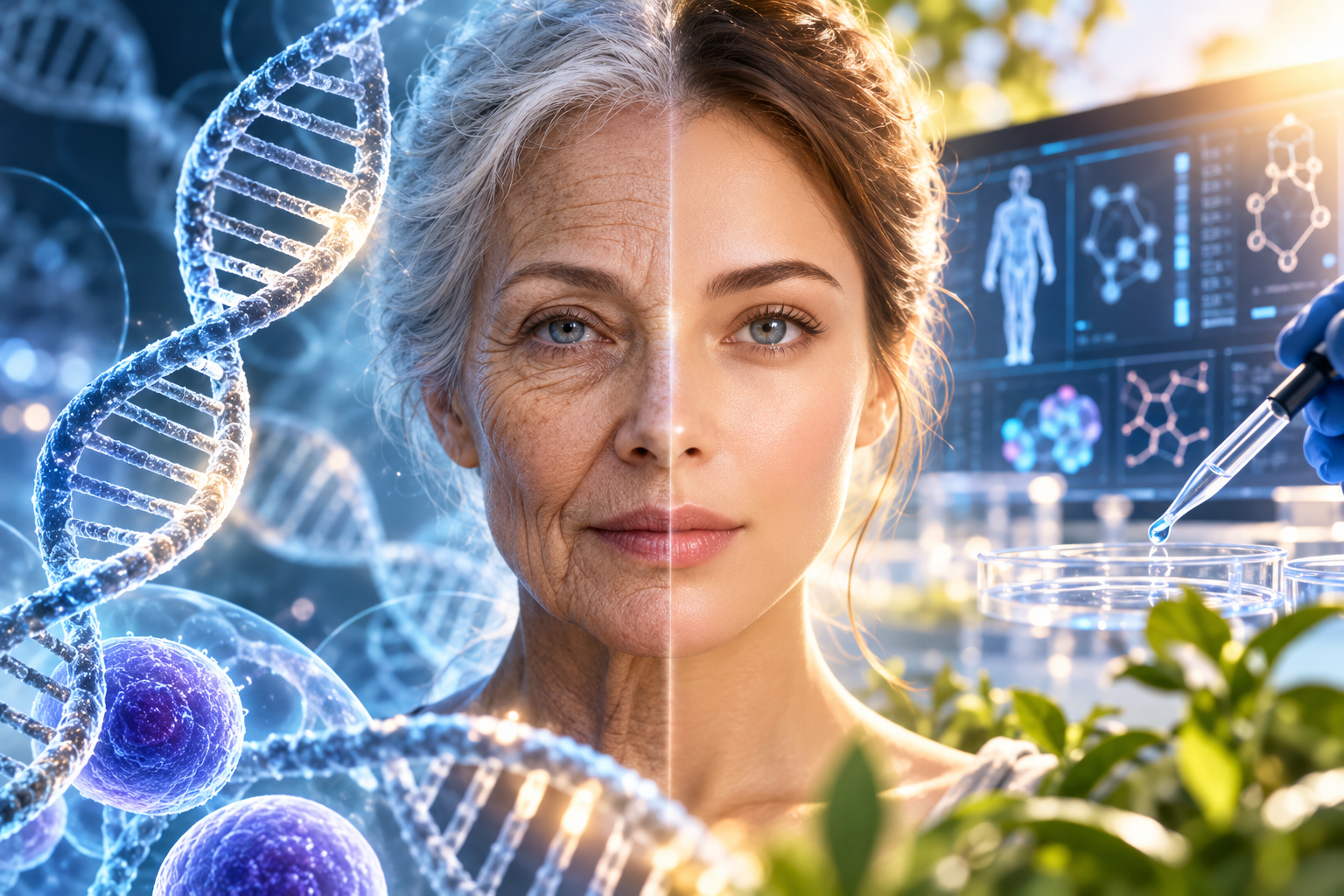
Aging has always been considered a natural part of life. But scientists are increasingly asking a different question: what if some aspects of aging could be slowed, repaired, or even reversed?
Researchers around the world are studying the biological mechanisms that cause cells and tissues to deteriorate over time. Their goal is not simply to make people look younger, but to understand whether the underlying processes of biological aging can be modified.
From cellular reprogramming and gene regulation to the removal of damaged cells, several areas of research are giving scientists new ways to investigate longevity. While true age reversal remains unproven in humans, the science behind it is becoming increasingly sophisticated.
What Actually Causes Us to Age?
Aging is not caused by one single process. Instead, researchers describe it as the result of multiple biological changes that accumulate throughout the body.
Over time, cells can accumulate DNA damage, proteins can become damaged or misfolded, mitochondria can become less efficient, and the body's ability to repair tissues can decline.
Another important process involves senescent cells. These are cells that have stopped dividing but remain metabolically active. As they accumulate, they can release molecules that contribute to inflammation and changes in surrounding tissues.
Understanding these processes gives researchers potential targets for interventions designed to extend healthy lifespan.
Cellular Reprogramming: Can Cells Be Made Younger?
One of the most intriguing areas of longevity research involves cellular reprogramming.
Scientists have discovered that certain combinations of molecular factors can alter the identity and state of mature cells. This research is connected to the work that led to induced pluripotent stem cells, in which mature cells can be reprogrammed into a more flexible, stem-cell-like state.
Researchers are now investigating whether similar techniques could partially reset aspects of cellular aging without completely erasing a cell's identity.
This concept is sometimes called partial cellular reprogramming. In laboratory research, scientists are investigating whether it can restore some youthful characteristics to aging cells and tissues.
However, turning this concept into a safe treatment for humans is a major challenge. Excessive or uncontrolled reprogramming could cause cells to lose their specialized identity or potentially increase the risk of abnormal growth.
Could Removing Old Cells Slow Aging?
Another promising area of research focuses on senescent cells, sometimes informally described as "zombie cells."
These cells do not necessarily die when they stop dividing. Instead, they can remain inside tissues and release signaling molecules that affect nearby cells.
Scientists are investigating drugs known as senolytics, which are designed to selectively target and remove certain senescent cells.
Experiments in animals have produced interesting results, including improvements in some measures of health and tissue function. But researchers still need much more evidence to determine which approaches are safe and effective in humans.
The Role of Genetics in Longevity
Genetics also plays an important role in how organisms age.
Researchers have identified genes and biological pathways associated with lifespan and age-related diseases. Some of these pathways influence processes such as metabolism, cellular repair, inflammation, and the body's response to stress.
Scientists are studying whether modifying these pathways could influence aging. However, human longevity is extremely complex, and changing a single biological pathway is unlikely to provide a simple solution.
Environmental factors, lifestyle, disease, genetics, and chance all interact throughout a person's life.
Can Aging Be Reversed in Humans?
This is where the science becomes much more complicated.
Researchers have demonstrated signs of rejuvenation or extended lifespan in various laboratory organisms. But results observed in cells or animals cannot automatically be translated into human treatments.
Human aging occurs across multiple organs and biological systems. A treatment that improves one aspect of aging could potentially create unexpected effects elsewhere.
Scientists therefore need to establish not only whether an intervention works, but also whether it is safe over the long term.
Longevity vs. Immortality
Reversing some biological aspects of aging would not mean making humans immortal.
Even if researchers eventually develop treatments that slow or partially reverse certain aging processes, people would still face infections, injuries, cancer, cardiovascular disease, and other causes of illness and death.
The more realistic goal of longevity research is therefore extending healthy lifespan — the number of years a person can live with good physical and cognitive function.
Why Scientists Are Interested in Healthspan
Living longer is only part of the equation. Scientists increasingly distinguish between lifespan and healthspan.
Lifespan refers to how long a person lives, while healthspan refers to how long they remain relatively healthy and functional.
If future treatments can delay the biological changes associated with aging, they could potentially help people remain healthier for more of their lives rather than simply extending the years spent dealing with age-related disease.
The Biggest Obstacles Ahead
Despite exciting laboratory findings, major questions remain unanswered.
Scientists need reliable ways to measure biological aging, identify which interventions actually change the aging process, and determine whether those changes translate into meaningful improvements in human health.
Safety is another major concern. Manipulating cell division, gene activity, or cellular identity could have consequences that are difficult to predict.
There is also the question of accessibility. If powerful longevity treatments are eventually developed, researchers and policymakers will have to consider their cost, availability, and potential impact on society.
How Close Are We to Reversing Aging?
Scientists have not demonstrated a proven method for completely reversing human aging. However, research has moved far beyond simply accepting aging as an untouchable biological process.
Cellular reprogramming, senolytics, regenerative medicine, genetics, and other fields are giving researchers new ways to investigate why organisms age and whether some of those changes can be modified.
The next major breakthroughs may not come from a single "anti-aging pill." Instead, they could emerge from combining several technologies that target different mechanisms of aging.
The ultimate goal may not be to live forever, but to understand aging well enough to give people more healthy years of life.